LUCY BURDETTE: We have blog news today. First, we are saying goodbye to our friend and wonderful writer, Tina Kashian, who needs to focus on other parts of her life. We have enjoyed her recipes and look forward to more books in the future--we'll miss her here in the kitchen! Beginning today, we have a new Mystery Lovers Kitchen chef/writer, Korina Moss. Korina’s first official post will be on Monday March 11, and we look forward to that! Be sure to leave a comment on today’s post to be entered into our giveaway drawing.
Now, on with the topic of the day…I suspect that one of the things that drew me into writing novels with a foodie bent, is that I love good food writing. I love it when authors use food and cooking to show something important about their characters. I love it when I find plot ideas in food-oriented books and articles. Since I use a food quote at the beginning of each one of my chapters, I am always looking for amazing snippets. Here are a few examples:
“No one who cooks, cooks alone. Even at her most solitary, a cook in the kitchen is surrounded by generations of cooks past, the advice and menus of cooks present, the wisdom of cookbook writers.”― Laurie Colwin
As for a suspect, she said, “We don’t have a particular demographic, except it’s someone who wants to make a really delicious pastry.” Carol Pogash, "During Bakery Break-In, Only Recipes Are Taken," NYT, March 6, 2015
A kitchen, by the way, is the perfect setting for a murderous plot—it’s hot, fast, heavy work, involving people who are probably more accustomed to acting on their feelings than talking them out. Lucy Burdette, "Food and Mystery—A Perfect Pairing," CrimeReads
Robbing this dish of its heavy cream is like kissing through a screen door. Dino, a reader commenting on a recipe in the New York Times
I could go on and on, but I’ll stop to give the others a chance to chime in. What food writers have influenced your writing journey? Do you think about using food as character development or plot devices?
🍓 📚 🍉

LESLIE BUDEWITZ: I'll confess, although I'd been cooking and collecting recipes and cookbooks for ages, I had not read a lot of "chef lit" or kitchen memoirs until I started to write foodie fiction. In the first Spice Shop mystery, Assault & Pepper, a major character, Alex, is a high-profile chef with some of the appearance and appeal of the late Anthony Bourdain, as well as some of his less attractive qualities, so Bourdain's memoir, Kitchen Confidential, was required reading. That plunged me into the genre: Sous Chef by Michael Gibney -- which included terrific drawings of professional kitchens that helped me understand what I see when I peek and design my characters' workspaces, Blood, Bones & Butter by Gabrielle Hamilton, which helped me create a scam that shows up in Guilty as Cinnamon; and many more. Two of my favorites food writers are Dorie Greenspan and David Lebovitz. I love their passion for cooking, their love of France, their curiosity, and their writing. And of course, their food. Both are culinary descendants of the great Julia Child, whose Kitchen Wisdom and The Way to Cook books and videos are my own culinary education.
I love that you ask about the recipes as part of plot and character development. They are for me. In Death al Dente, the first Food Lovers' Village mystery, a stolen recipe is a major plot element, and knowledge of how to make a Snowball or Russian Teacake provides Erin a clue in As the Christmas Cookie Crumbles. In the Spice Shop series, the title herb or spice often plays a role in the plot as well as what's going on in the shop itself. A thematic connection often emerges as well, although if readers don't pick up on that, that's just fine! To me, a well-written recipe is a story in itself -- a story of how we eat, how we connect with people and the world around us, how people migrate and remember and celebrate. And that is just the most delicious thing.
🍓 📚 🍉
MADDIE DAY: In the late eighties and early nineties, I discovered the modern cozy mystery. Specifically, I began reading every book by Katherine Hall Page starting with The Body in the Belfry, by Susan Wittig Albert in her China Bayles series, and by Diane Mott Davidson in her Goldy Bear catering mysteries. And guess what? They all include recipes from the (female) cooking protagonist!
 |
| The Body in the Wake is book #25 in the series and Page still includes recipes. |
I was hooked, and when I began writing my own first mystery, I knew a foodie cozy was the kind of story I wanted to create. Not all my books include recipes, but every Local Foods, Country Store, and Cozy Capers Book Group mystery does. My characters think about food, they talk about food, food reveals who they are, and in Robbie Jordan's case, having her hands busy doing breakfast prep frees up her brain to think through the case du jour.
But chef memoirs or professional food writers? I was about to say I haven't read one in decades, but that's wrong. I absolutely loved our own Leslie Karst's Justice Is Served: A Tale of Scallops, the Law, and Cooking for RBG. What a wonderful memoir and a must-read.
I will also watch any movie involving cooking. We just saw "The Taste of Things" with Juliette Binoche and Benoît Magimel, written and directed by Trần Anh Hùng. It is gorgeous, poignant, and delicious. If you like food and romance, go see it!
🍷 📚 🥞
LESLIE KARST: I've been reading food memoirs (and cookbooks) since the early '90s, when I was a culinary arts student (at the same time as working as an attorney--which I can tell you was not nearly as fun!). And if you count Julia Child--and who wouldn't?--my love of culinary reading goes back even farther to my twenties.
Some of those authors have worked their way into my Sally Solari Mysteries. Sally's aunt Letta, the chef who is murdered in book one of the series, has a shelf full of food writers such as Brillat-Savarin, Escoffier, Ruth Reichl, Sam Choy, Madhur Jaffrey, and Alice Waters.

some of my cookbooks
And Julia Child plays a big part in my latest book, A Sense for Murder, when the signed copy of her Mastering the Art of French Cooking that's up for auction at a restaurant's benefit dinner is found stolen from a cabinet--right next the the dead body of the dining room manager. And of course, writing a culinary mystery series which includes recipes, lots of those recipes have been inspired by the food writers on Letta's shelf!
🌿 🍋 🌿
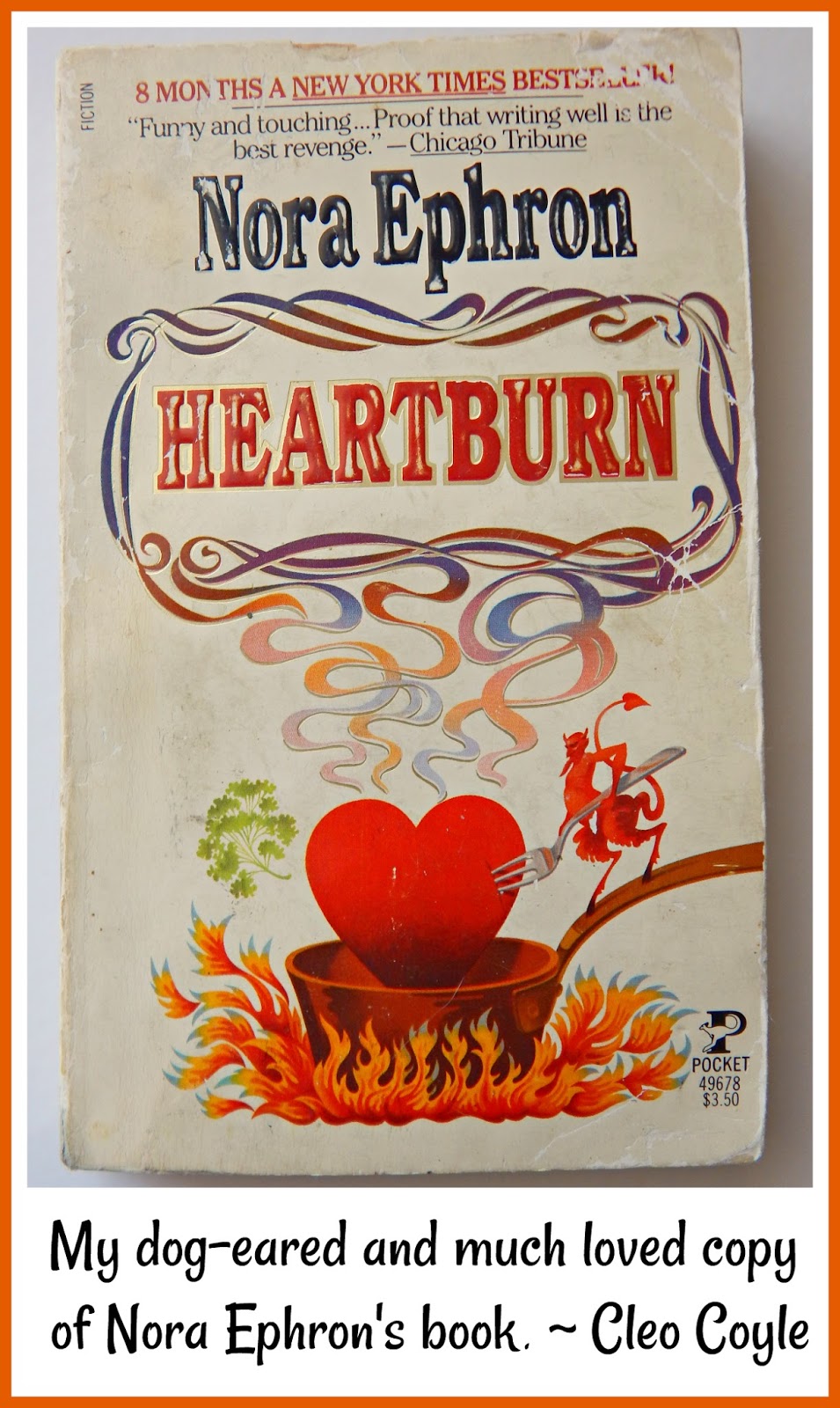
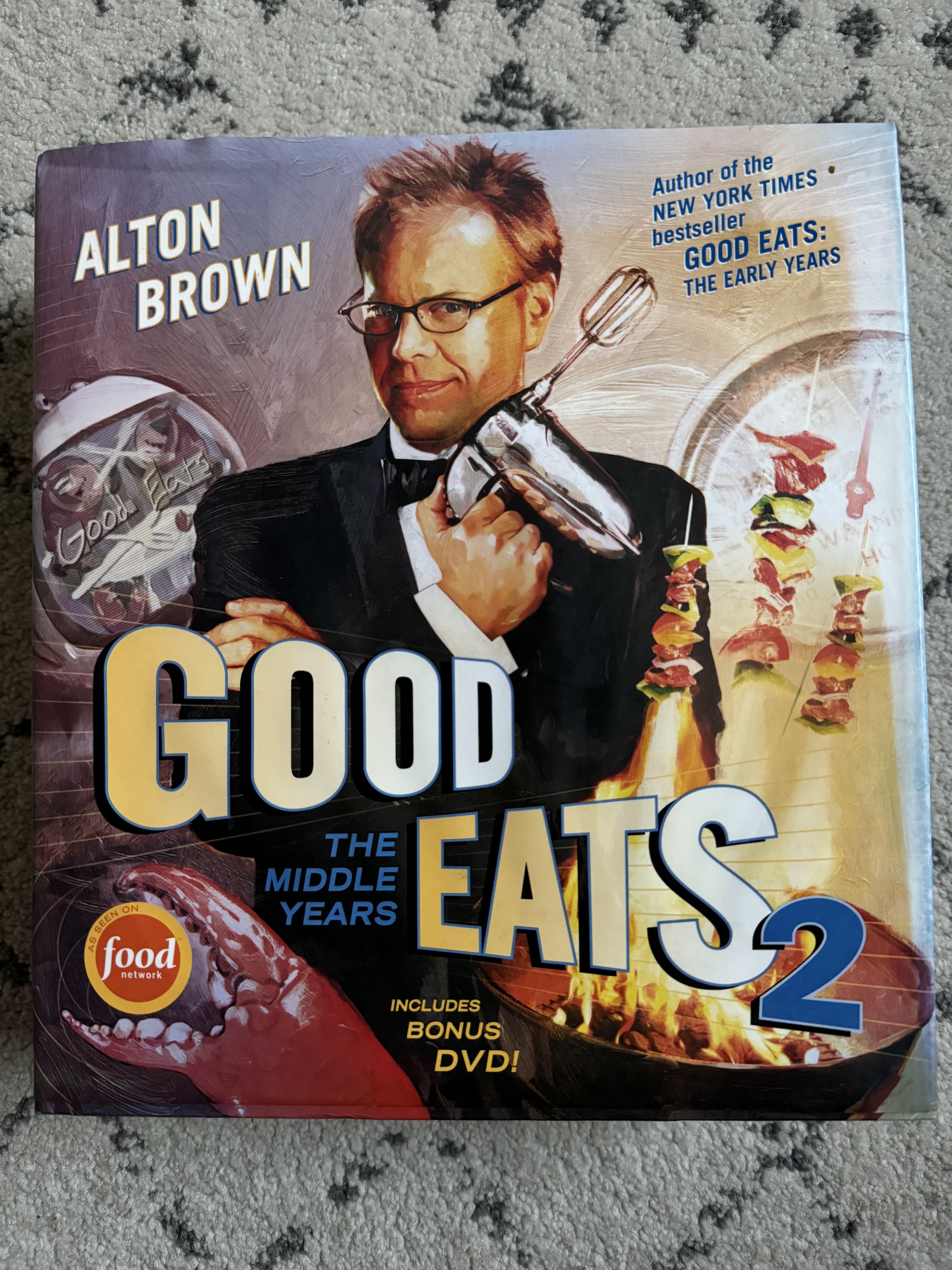
There are two beloved series that introduced me to the culinary cozy genre. The first is the Goldy Bear Catering series. And the second is the wonderful Cleo Coyle Coffeehouse Mysteries - although I have never confessed that publicly before now because I didn't want to fangirl all over Cleo and freak her out. I've been trying to lay low with the fangirling. I love reading the descriptions of making the food within the mystery. I find it relaxing, just like when I cook for myself. These are two out of three of my favorite cookbooks. I think a child of mine has absconded with the third. I'll be making some calls later.

🍓 📚 🍉
PEG COCHRAN/MARGARET LOUDON: I love reading cookbooks. I feel cheated if the author doesn't include at least a paragraph or two about the dish whether it's where they first ate it like in Martha Rose Shulman's Mediterranean Light or about the ingredients themselves as in Lydie Marshall's Chez Nous. I also love reading cookbooks from different time periods like my mother's old Good Housekeeping cookbook--what a window into the 1950s! Tomato aspic! Gelatin salads! My first series, Gourmet De-Lite, revolves around a woman who caters calorie conscious but gourmet tasting meals to her clients. A food plays a part in the murder in Allergic to Death, the first book in the series. Both my Cranberry Cove series and Farmer's Daughter series contain recipes. And I enjoyed doing research into what food were popular in 1939 for my Murder, She Reported series.
Just part of one shelf of my cookbooks. Notice the missing spine on one. Some I used until they were in tatters!

🍷 📚
In my Five-Ingredient Mysteries I use food as a way to characterize people. My sleuth, cafe manager Val, gains insights into the personalities of suspects by observing their eating habits. In Final Fondue a man who hogs a pot of chocolate fondue so that no one else can get near it displays greed and aggression, traits of many murderers. In The Tell-Tale Tarte, a woman who strips all the meat from a Cornish hen before taking a single bite can postpone gratification, and revenge is a dish best served cold.
Food also serves the plot by bringing my characters together. Val and her grandfather discuss suspects and exchange theories about the murder while they prepare and eat meals. The theft of Granddad's prized Nero Wolfe recipe box in Bake Offed takes place the same night as a murder, suggesting the two crimes could be related. By the way, Rex Stout, creator of gourmand detective Nero Wolfe, was the first mystery writer to include recipes in a book, but only in certain editions of his 1938 mystery, Too Many Cooks. He was a pioneer, but it was many years before other mystery writers followed in his footsteps.


MURDER AT A CAPE BOOKSTORE by Maddie Day
🍷 📚
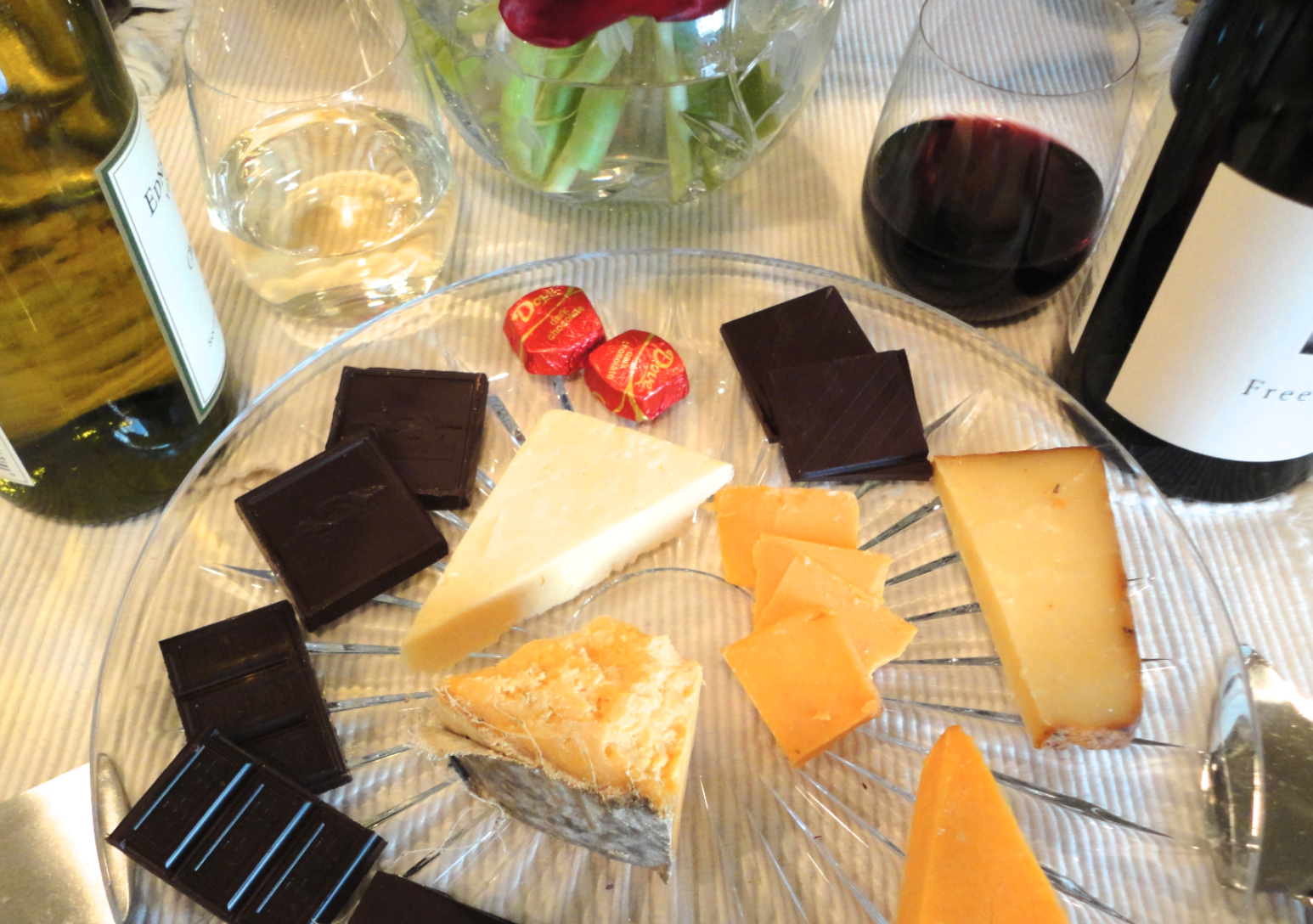
KORINA MOSS: I'm thrilled to be welcomed into this amazing group of culinary mystery authors and I’m excited to share my love of food with you. Food, specifically cheese, plays an integral role in my Cheese Shop Mystery series. Each of my books begins with a cheese quote from my protagonist Willa and the first word of each book is a type of cheese. Being a cheesemonger and a cheese shop owner is not only Willa’s profession, it’s her passion. It also plays a role in her backstory growing up on a dairy farm, and in getting her through two major life losses. It’s her ultimate comfort food. As Willa says, “I firmly believe most of life’s problems can be solved with cheese.” I tend to agree.
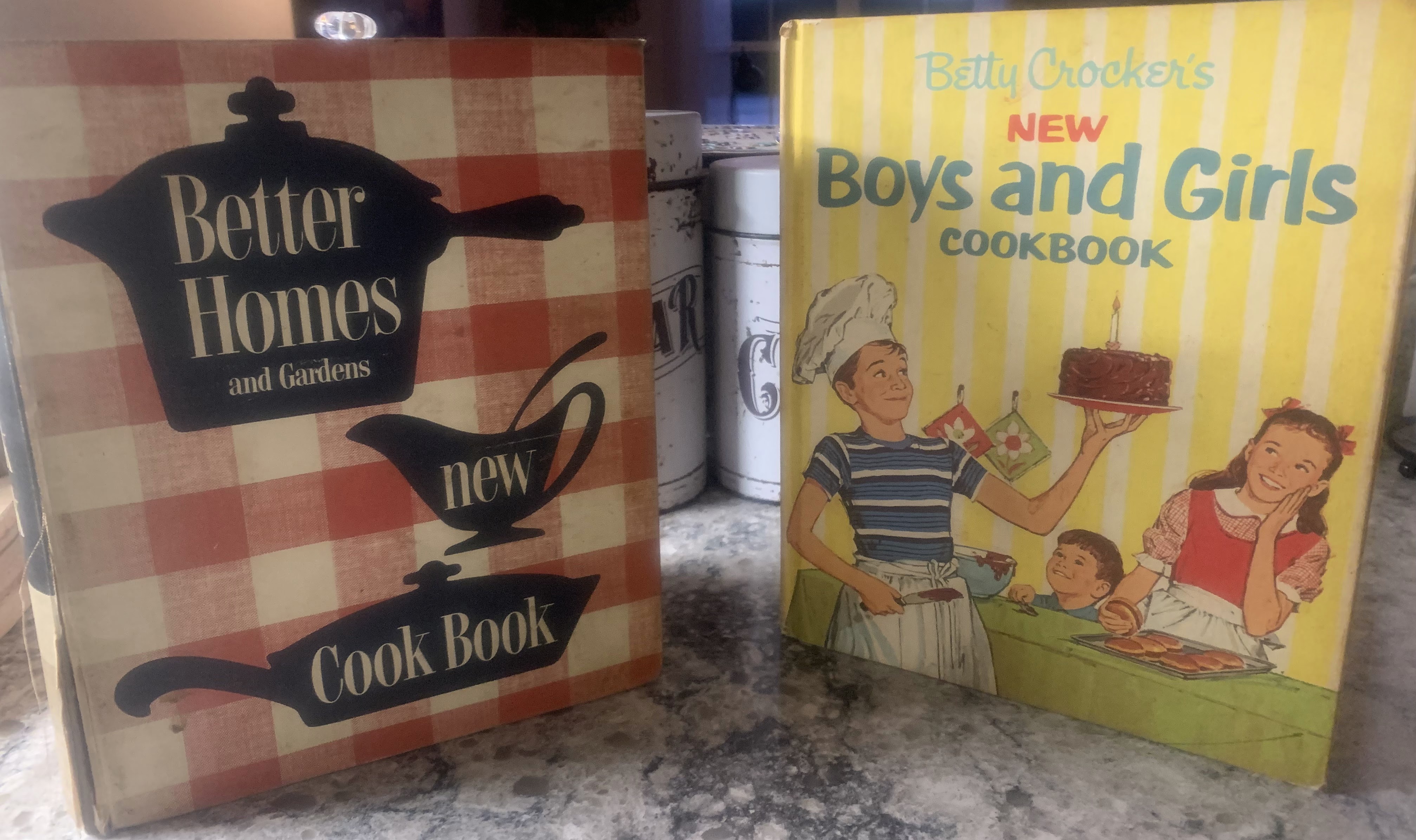
To be honest, I lean more toward being a food enthusiast than a cooking enthusiast. I’m no Betty Crocker, but even Basic Bettys like me have a repertoire of favorite meals. My mother fed a family of eight often using this Better Homes & Gardens New Cookbook 5-ring binder that she was gifted from her stepmother in 1957. As children, we made a few recipes from this 1965 Betty Crocker’s New Boys and Girls Cookbook. After I was married, I received my own updated Better Homes and Gardens Cookbook and it’s been with me for almost thirty years. You can’t go wrong with the basics.
 |
| Inside pages |
🍷 📚
As a Black woman, I want to write mysteries that appeal to people from all different races. I've heard that some readers are reluctant to buy books with people of color on the covers because they can't relate or fear they can't connect to the characters. However, recipes are one thing that everyone can relate to. Regardless of your race, religion, or socioeconomic background, we all eat food. Including recipes in a mystery is one thing that I use to connect readers to my books. Just as Diane Mott Davidson connected me to Goldy Korman in her Goldy Bear Mystery series, And, Rex Stout discussed culinary masterpieces prepared by Fritz, I use recipes as a way to connect readers to my characters.
🍷 📚
MOLLY MACRAE: I fell in love with the great combo of crime and cooking in 1982 when The Cooking School Murders, book one in the Eugenia Potter mysteries by Virginia Rich came out. Called the U.S. “culinary crime pioneer in a 2014 article by Katherine Hall Page (‘NameYour Poison: A Brief, Highly Subjective History of Culinary Crime,’ Los AngelosTimes Book Review), Rich wrote three books in the series before her untimely death. Nancy Picard took over writing the series giving readers three more to savor.
 Like Peg, I go for cookbooks that include fun background information. Three of my favorites are Flatbreads & Flavors: A Baker’s Atlas by Jeffrey Alford and Naomi Duguid, The Hebridean Baker: Recipes and Wee Stories from the Scottish Islands by Coinneach Macleod, and National Trust Book of Scones: 50 Delicious Recipes and Some Curious Crumbs of History by Sarah Merker. I also absolutely love Food Lover’s Companion by Sharon Tyler Herbst and Ron Herbst. My copy sits on the bookshelf right next to the table so that at supper, if we wonder what the difference is between cracked wheat and bulgar, or how vermouth differs from other wines, all I have to do is grab the book. I grab it a lot because we’re a curious bunch.
I hope my curiosity and love for stories and cooking comes out in my books. Figs, fig trees, and fig lore all factor into the one I’m writing now—book two in my Haunted Shell Shop mysteries (coming out in July 2025).
CLEO COYLE: Welcome to Korina! We are thrilled to have you join us in the Kitchen. (And xoxo to Libby Klein for the very kind shout-out to my Coffeehouse Mystery series. You truly made my day.)

I hope my curiosity and love for stories and cooking comes out in my books. Figs, fig trees, and fig lore all factor into the one I’m writing now—book two in my Haunted Shell Shop mysteries (coming out in July 2025).
☕ 📚 ☕
 |
| Click here for recipe & to learn more. |
On today's topic, as a culinary mystery writer, I always enjoy conveying my love of cooking and eating through my characters and plotting. As far as food and recipe writing, I have long admired the writers who've contributed to that vast body of literature, including Michael Ruhlman (for his investigative chops), Mark Bittman (for his simplicity), and so many more, but my most important foodie influences didn't come from books.
Like many of you, I was raised in a tradition of a little bit of this, a pinch of that, and a whole lot of garlic! My mom and her sister (my beloved late Aunt Mary, who lived with us) were born in Italy and learned to cook, not from books, but from the women in their family. My father's mother (my grandmother, Grazia Alfonsi) made her own cheese, cooked spaghetti sauce using garden tomatoes, baked bread in an outdoor coal-and-wood-burning oven, and made coffee from a stovetop espresso pot. No cookbooks or food writing. We cooked, ate, and then talked about cooking and eating. :)
When you love something like cooking, and the people who taught you how to do it, writing about it is a joy. The creative process reconnects you with them, along with the sensory memories of the experience, and the feelings and family stories that came with it. And that's what still inspires me as a writer.
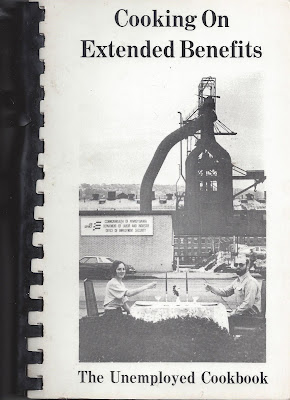 One last mention that's close to my heart. My late father grew his own vegetables and grapes, and made his own wine, once again sans books with one wonderful exception. Dad was a Pittsburgh steel worker. When he passed away, I inherited this spiral-bound oddity: COOKING ON EXTENDED BENEFITS: THE UNEMPLOYED COOKBOOK.
During the deep recession of the 1970s, volunteers in the Western Pennsylvania area (where my husband and I grew up) collected favorite family recipes, which they put together into this cookbook to benefit the local food bank. They also distributed it to struggling families to lift their spirits and help them with ideas for cooking at home on a tight budget.
As you can tell from the cookbook’s cover (which shows a married couple seated at a formal dinner table in front of a steel plant's blast furnace), a sense of humor can go a long way toward saving one's sanity during the toughest times.
This is a piece of food writing that very much influenced me because of its resounding connection to community, the culture of giving, and the tradition of passing down family recipes (along with a sense of humor)! I will always cherish it. Whatever you are cooking, eating, or reading, may it bring you joy. ~ CleoB O O K

Like many of you, I was raised in a tradition of a little bit of this, a pinch of that, and a whole lot of garlic! My mom and her sister (my beloved late Aunt Mary, who lived with us) were born in Italy and learned to cook, not from books, but from the women in their family. My father's mother (my grandmother, Grazia Alfonsi) made her own cheese, cooked spaghetti sauce using garden tomatoes, baked bread in an outdoor coal-and-wood-burning oven, and made coffee from a stovetop espresso pot. No cookbooks or food writing. We cooked, ate, and then talked about cooking and eating. :)
When you love something like cooking, and the people who taught you how to do it, writing about it is a joy. The creative process reconnects you with them, along with the sensory memories of the experience, and the feelings and family stories that came with it. And that's what still inspires me as a writer.
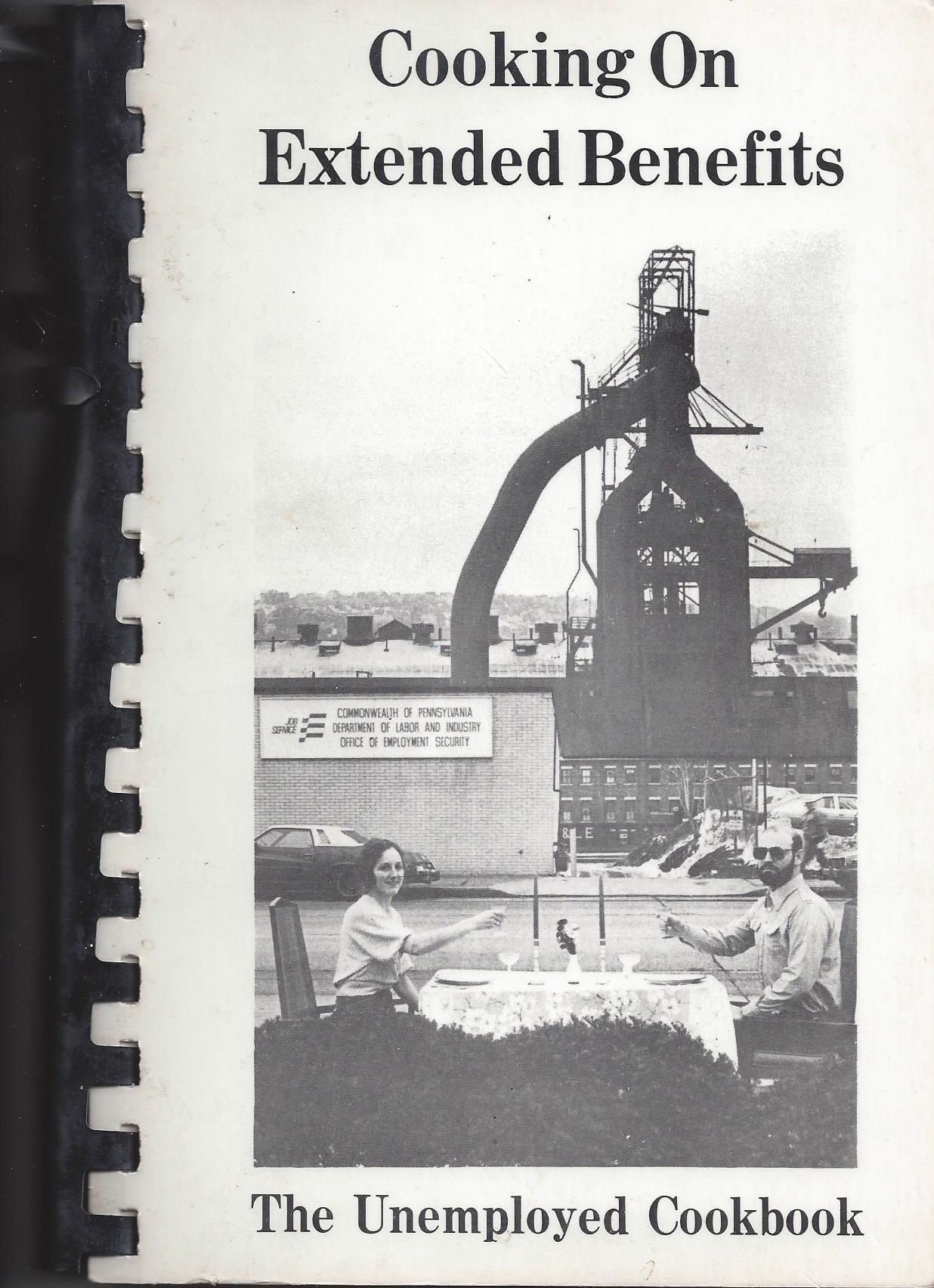
During the deep recession of the 1970s, volunteers in the Western Pennsylvania area (where my husband and I grew up) collected favorite family recipes, which they put together into this cookbook to benefit the local food bank. They also distributed it to struggling families to lift their spirits and help them with ideas for cooking at home on a tight budget.
As you can tell from the cookbook’s cover (which shows a married couple seated at a formal dinner table in front of a steel plant's blast furnace), a sense of humor can go a long way toward saving one's sanity during the toughest times.
This is a piece of food writing that very much influenced me because of its resounding connection to community, the culture of giving, and the tradition of passing down family recipes (along with a sense of humor)! I will always cherish it. Whatever you are cooking, eating, or reading, may it bring you joy. ~ Cleo
B O O K
G I V E A W A Y!

Readers, join us in the comments
and you will be entered to win
these four terrific mysteries!

MURDER AT A CAPE BOOKSTORE by Maddie Day
A PARFAIT CRIME by Maya Corrigan
MURDER ON TOUR by V.M. Burns
CHEDDAR OFF DEAD by Korina Moss
Join the
conversation!
Include your email address,
so we can contact the winner
so we can contact the winner
Comments open through
Wednesday, March 6.
📚