Showing posts with label Cuba. Show all posts

Tuesday, February 20, 2018

Cuban Night -- #recipes @LeslieBudewitz


LESLIE:  A few weeks ago, my friend, pastel painter Jeanette Rehahn, fondly recalled a Cuban rice pudding she’d eaten while away at a painting class. “Cuban Night!” I said.
Reverie of Golden Light, by Jeanette Rehahn
(collection of Leslie Budewitz and Don Beans)
Never let it be said I didn’t get carried away. Or, thankfully, that Mr. Right and our friends don't go happily along.

So last weekend, Mr. Right and I hosted Jeanette and her husband, Mark, and another couple, Francesca and John, for dinner. The assignment? Bring a dish and a story or interesting fact about Cuba. We talked rum and cigars (thank you, Mark), music (courtesy of Mr. Right and John), the fascinating old cars that catch the eye in Havana, and much more. (Spot a few of those cars and read up on their history here.)

The menu:
Mojitos (recipe from The Joy of Mixology by Gary Regan) (and here's Lucy's post on mojitos, with a recipe from earlier this month)
an Argentinian red blend and a Spanish white
Pulled Pork Cubana on crostini – Mr. Right bought a serving of pulled pork from the BBQ truck that parks in front of the distillery on Thursdays, made a sauce from HeartBeet Kitchen, and heated the mixture in an ancient little crockpot that served the purpose perfectly. If your pork is already cooked, as ours was, an hour or two will suffice.
Cuban-Style Black Beans (recipe below)
Picadillo on white rice, the classic Cuban beef dish with a bright and lovely combination of spices (recipe from New York Times, below)
Spicy Cuban Mojo Chicken with Mango-Avocado Salsa (recipe from AllRecipes.com)
and of course, the rice pudding, redolent with cinnamon, nutmeg, and vanilla.

We didn’t cook it all ourselves -- Jeanette brought the pudding, and John the chicken dish. I highly recommend it all! And I can tell you, we'll be making the beans and Picadillo again. All the dishes were bright and pretty -- I had hoped to use my new camera to show you, but messed up the light meter settings -- grrr -- so you'll have to take my word for it.

Or try it yourselves. Put Gloria Estafan and the Bueana Vista Social Club on the stereo, swill a little rum, and get cooking!

Congratulations to Daryl Wood Gerber on today's release of Pressing the Issue, the 6th Cookbook Nook Mystery! 

Cuban-style Black Beans

The original recipe, from Epicurious, says it serves 6-8, but my goodness, THREE cans of black beans? We used two, cutting everything else, and that was plenty as a side dish for 6 with lots of leftovers; I’ve used the original measurements but put mine in parentheses.

1/4 cup olive oil
1 large onion, chopped (medium onion)
1 large green bell pepper, cut into 1/2-inch pieces
6 large garlic cloves, chopped (4 cloves)
1 tablespoon dried oregano (2 teaspoons)
3 15- to 16-ounce cans black beans, rinsed, drained (2 cans)
3/4 cup canned vegetable broth or water (½ cup)
1 1/2 tablespoons cider vinegar (1 tablespoon)
1 teaspoon sugar (optional) (½ teaspoon; we didn’t need it)

Heat oil in heavy large saucepan over medium heat. Add onion, bell pepper, garlic and oregano and sauté until vegetables begin to soften, about 5 minutes. Add 1 cup of beans to pan. Using back of fork, mash beans coarsely. Add remaining beans, broth and vinegar and simmer until mixture thickens and flavors the blend, stirring occasionally, about 15 minutes. Mix in sugar, if desired. Season beans to taste with salt and pepper and serve.


Picadillo

I found this recipe in the New York Times, which calls it “one of the great dishes of the Cuban diaspora.” We made two substitutions, one from necessity, one from logic and the state of winter tomatoes. The original recipe calls for dried chorizo and I’ve left that in, because most of you will be able to find it—my grocery happened to be out, so we used 6 ounces of fresh chorizo,  adding it with the ground beef. My mouth waters at the thought of the dried chorizo and its intensity.


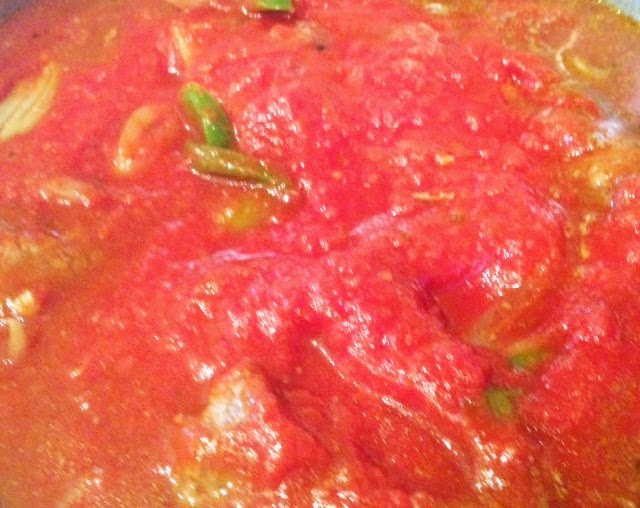
It also called for 4 fresh tomatoes or a 28-ounce can of whole tomatoes, drained and crushed; why not use a can of crushed tomatoes? (As you can see by the rim of the can, I took that "crushed" part literally.) The spicery is simply lovely, and not at all hot. The raisins and olives are a delightful surprise. The onions, garlic, and tomatoes are called a sofrito, a word as wonderful as the flavors, which will scent your home well into the next day, and you won't mind.

2  tablespoons extra-virgin olive oil
2  medium-size yellow onions, peeled and chopped
2  ounces dried chorizo, diced
4  cloves garlic, peeled and minced
1 ½  pounds ground beef
 Kosher salt and freshly ground black pepper
one 28-ounce can crushed tomatoes
2  tablespoons red wine vinegar
1  tablespoon ground cinnamon
2  teaspoons ground cumin
2  bay leaves
 Pinch of ground cloves
 Pinch of nutmeg
3/4 cup raisins
3/4 cup pitted green olives, pimento-stuffed.

Put the olive oil in a large, heavy pan set over a medium-high flame, and heat until it begins to shimmer. Add onions, chorizo and garlic, stir to combine and cook until the onions have started to soften, approximately 10 minutes.

Add the ground beef, and allow it to brown, crumbling the meat with a fork as it does. Season to taste with salt and black pepper.

Add tomatoes, vinegar, cinnamon, cumin, bay leaves, cloves and nutmeg and stir to combine.

Lower the heat, and let the stew simmer, covered, for approximately 30 minutes.

Uncover the pan, and add the raisins and the olives. Allow the stew to cook for another 15 minutes or so, then serve, accompanied by white rice.


And a few bonus pics:


The pulled pork in the aptly-named "Crock-ette:"


 The chicken fixings:


The results:

Ay, Cuba! It was a lovely trip, perfect for a chilly winter night in Montana. I hope you can make the trip yourselves, and enjoy yourselves even half as much as we did!


From the cover of AS THE CHRISTMAS COOKIE CRUMBLES, Food Lovers' Village Mystery #5 (Midnight Ink, 2018, available for pre-order now):  

In Jewel Bay---Montana's Christmas Village---all is merry and bright. At Murphy’s Mercantile, AKA the Merc, manager Erin Murphy is ringing in the holiday season with food, drink, and a new friend: Merrily Thornton. A local girl gone wrong, Merrily’s turned her life around. But her parents have publicly shunned her, and they nurse a bitterness that chills Erin.


When Merrily goes missing and her boss discovers he’s been robbed, fingers point to Merrily—until she’s found dead, a string of lights around her neck. The clues and danger snowball from there. Can Erin nab the killer—and keep herself in one piece—in time for a special Christmas Eve?

Leslie Budewitz is the author of the Food Lovers’ Village Mysteries and the Spice Shop Mysteries—and the first author to win Agatha Awards for both fiction and nonfiction. A past president of Sisters in Crime, she lives in northwest Montana with her husband, a musician and doctor of natural medicine, and their cat, an avid bird-watcher.

Swing by my website and join the mailing list for my seasonal newsletter. And join me on Facebook where I announce lots of giveaways from my cozy writer friends.

Friday, August 26, 2016

The Mysterious Cuban Potato

On paper my sister and I own a plantation in Cuba—69 acres on the Isle of Pines (renamed by Fidel Castro as Isla de la Juventud). I even have the deeds. In reality, we’re probably never going to get it back, but now that travel to Cuba is loosening up a bit, we might get to see it someday.


There is, of course, a whole history behind this. My grandparents got married in 1921, at my great-grandmother’s house in New Jersey. My grandmother was an orphan; my grandfather was only twenty and had no marketable skills. Since my great-grandparents had vacationed in Havana more than once, as early as 1914, and the island seemed to be something of an American expatriate colony, my widowed great-grandmother thought it would be a peachy idea to buy a plantation in Cuba and have her darling son manage it.

My grandparents took off for Cuba, where they spent their winters for several years, starting in 1923 (according to ships records). The idyllic plantation life ended with the hurricane of 1928, which pretty much demolished the house on the property. They didn’t return. Yet they held on to the property. My grandfather even went back to check on things in 1940, and they kept the taxes paid up.

I wish I could say my grandmother passed on a wealth of Cuban dishes, but she never really cooked, and the only one that comes close is arroz con pollo, which my mother used to make. 

The first mystery item to appear:
a very dry horseradish root. I
wouldn't eat it, but it looks
fascinating.
But for some mysterious reason my local market (Hannaford’s) has suddenly started importing increasingly exotic products, particularly vegetables, and this past week I first met the boniato, also known as the batata—and also known as the Cuban potato. Being in a giddy mood, I bought the largest, ugliest one they had.

Meet the boniato. This one weighs nearly
two pounds.

In simplest terms, it’s kind of a sweet potato. But the flavor is less sweet than the variety we know—one source likened its flavor to freshly roasted chestnuts. You can cook it like a potato, but peel it first, and use it shortly after peeling (because if you don’t put it in water fast, it turns really ugly, kind of like it has green leprosy).

I found an online recipe for Boniato Gratin that sounded promising, so here we go, plunging into the unknown!


Boniato Gratin

2 lbs boniatos, peeled and cut into 
     1/2-inch cubesSalt
1/2 cup heavy cream
1/2 cup chicken stock
Pepper
1/4 cup breadcrumbs (I used panko)
2 Tblsp butter

Bring water to a boil in a large saucepan and add salt. Add the boniato pieces and boil until tender, 6-8 minutes. Drain, then return to the pan.


Cooked
Mashed (roughly)
Mash with a potato masher. Add the cream, stock, salt and pepper and taste for seasoning—it shouldn’t be bland. If it’s too thick, add some more stock.


Preheat the oven to 400 degrees F. Butter an 8-inch gratin pan and spoon in the mixture. Sprinkle with the bread crumbs or panko and dot with butter. Bake in the preheated oven for 20-25 minutes, until the top is browned. Serve immediately.


The results?

--Raw, these babies are definitely harder and dryer than the potatoes we’re used to (and a pain to cut into small pieces), but they soften quickly in cooking.

--They’re also hard to peel. If you ever try to peel a boniato, pick the smoothest ones you can find.

--The flavor is faintly and pleasantly sweet. I’ve read that they come in a range of flavors.

--The texture is more like a russet potato than a waxy potato.

It was an interesting experiment. Would I cook them again? I might. But next I want to try yucca, which appeared at the same time at the market. (And maybe buy a Cuban cookbook!)

Lucy/Roberta—feel free to tell me I’m way off base about Cuban cooking. I’ll be happy to go check it out personally!

Who has visited Cuba? Who wants to go?


My next book, Seeds of Deception, will appear in October. Nothing Cuban about it--Meg and Seth get as far south as Virginia and spend most of the book in New Jersey. I thought I should get them out of Massachusetts for their honeymoon.

Find it at Amazon and Barnes and Noble.

www.sheilaconnolly.com


Thursday, February 5, 2015

Ropas Viejas or Cuban Beef Stew or "Old Clothes" #recipe @LucyBurdette


Photo by John Brady


Trinidad ration store, photo by John Brady
LUCY BURDETTE: John and I had the privilege of visiting Cuba last November. Living in Key West, 90 miles from Havana, we are very interested in what's going on with this neighbor country. And imagine how excited we were to be back from the trip and three weeks later, hear the announcement about relations improving between US and Cuba. (If you'd like to read my blog post about things I learned, you can click here.)


But meanwhile, I know you want to hear about the food. The people of Cuba are not well off.  In fact, as it's a communist nation, everyone earns about the same amount of money, that is $20-$25 per month. Government ration stores still exist, where the citizens go to purchase their rations for the month, mostly dry goods like rice and oil. As you can see from this photo that my husband took in Trinidad, these ration stores are on the bleak side. 

We barely saw the kinds of markets that exist in other countries but here are a few farmers markets in Havana. Honestly they were not that appealing.


One recipe that appeared on most of the menus, both government-run and private, was called Ropas Viejas otherwise known as "old clothes" or Cuban beef stew. Of course I had to try making it for you. 


We had guests for dinner the night I made this stew, including one friend whose mother was Cuban. He told me mine turned out to taste almost exactly like his mother's, which I took as a high compliment. 

Ingredients

3 lb. flank steak
Salt and black pepper, to taste
1 medium yellow onion, thinly sliced
2 bell peppers, thinly sliced
6 oz. tomato paste
1 tbsp. cumin
1 tbsp. dried oregano
5 cloves garlic, finely chopped
1 bay leaf
½ cup dry white wine
2 cups beef stock
1 (28-oz.) can peeled tomatoes, crushed
½ cup halved, stuffed green olives

1 small jar sliced pimiento peppers
3 tbsp. capers, rinsed and drained
1 tbsp. white wine vinegar
¼ cup roughly chopped cilantro

INSTRUCTIONS


Season steak with salt and pepper and cut it into large pieces. (You will shred this later, so size isn't crucial.) Working in batches, cook until browned on both sides, about 6 minutes; transfer to plate. 


Add onion and peppers; cook until soft, about 4 minutes. Add tomato paste, cumin, oregano, garlic, and bay leaf; cook until lightly caramelized, about 3 minutes. Add wine; cook, scraping bottom of pot, for 1 minute. 

Return steak to pot with stock and tomatoes; bring to a boil. Reduce heat to medium-low; cook, covered, until steak is very tender, 2–3 hours. Remove steak, and shred; return meat to pot with olives, pimientos, capers, and vinegar. Cook until sauce is slightly thickened, about 30 minutes. Stir in cilantro before serving.


The Cuban eateries we visited always served this dish with black beans and white rice, so that's how I served it too.


Are you wondering what to drink before dinner? Worry no longer, the answer is always "Mojito!" You can find my recipe here.


Lucy writes the Key West food critic mysteries:

 DEATH WITH ALL THE TRIMMINGS is here now!

Follow Lucy on Pinterest.

Or Twitter.

Or Facebook.

Tuesday, May 20, 2014

How to Make Cuban Sugar Cookies (Torticas de Moron) and Cuban Coffee by Cleo Coyle


Today marks the 112th anniversary of Cuba’s independence from Spain (May 20, 1902), a great excuse to celebrate Cuban cuisine with a popular cookie and, of course, Cuban coffee!


Cleo Coyle has a partner in
crime-writing—her husband.
Learn about their books
by clicking here and here.
Cleo Coyle’s
"Torticas de Morón"

Cuban Sugar Cookies


Torticas de Morón are melt-in-your mouth sugar-sprinkled shortbread cookies with a hint of lime (or lemon). They are fantastic with coffee, especially strong Cuban coffee. They also make lovely tea cakes.

The cookies were originally created in the city of Morón in central Cuba. Bakers have produced many variations. 
Some use eggs, some do not. Some add flavorings like vanilla and rum. Others even add a dab of chocolate or guava jelly to the center like a thumbprint cookie. 

In my version, I’m keeping things simple to preserve the character of the basic shortbread with a hint of citrus. I also do something special with the shortening (more on that in the recipe below.)


Note: The final addition of egg white on top of each cookie is something I learned from a Cuban-American baker and it's a step I highly recommend. Not only does the egg wash help keep the cookies from crumbling, it allows the sugar to adhere to the cookies while baking. And if you sample the cookies while still warm, you'll notice the egg wash brings a slightly chewy texture to the top surfaces, which makes a fantastic contrast you'll fully appreciate as you sink your teeth into these crumbly, melt-in-your mouth treats. 

Now let's start baking!
 ~ Cleo


For a free PDF of this recipe (with step-by-step photos) that you can print, save, or share, click here. 


Click here for PDF.


Makes about
2 dozen cookies                                              


Ingredients:

2-1/3 cups all-purpose white flour
1-1/2 teaspoon lime or lemon zest (grated skin of fruit, no white pith)
1 cup white, granulated sugar (+ extra for topping)
1 cup shortening (see my note*)
1 large egg (divided into yolk and white)


*Cleo note: Shortening can be butter or lard or a combination. Many recipes use 100% butter. Be sure to use salted butter because with so little liquid in this recipe, the salt needs to be distributed via the butter. In my version of this cookie, I use ½ salted butter and ½ virgin coconut oil (chilled to give it solid form). Coconut is a popular flavor in Cuban cuisine and the coconut oil lends a lovely light hint of coconut to the shortbread. I highly recommend this combo, it’s delicious! For more info on coconut oil—what it is and which kind you should buy, read my past recipe post on Chocolate Ricotta Muffins by clicking here.

Method:


(1) Make and chill dough: Whisk together the flour and lime zest. Set aside. Now you’ll work with the shortening. Make sure your butter is softened and/or your coconut oil is solid. Add the sugar. Using an electric mixture, cream the shortening and sugar until light and fluffy. Add the egg yolk (save the white for the next step). Beat with mixer until the egg is blended in. Now add the flour-lime mixture, a few tablespoons at a time. 


Beat until incorporated and then add more until all the flour is well blended into the dough. Use your hands to squeeze together dough pieces. Knead a little, working with the dough until it’s smooth and form it into a ball. 


Turn the dough onto a parchment paper covered surface and work with the dough, shaping it into a thick cylinder of 2-inches in diameter. To get the log nice and smooth as shown, use the parchment paper to help roll it. 


Now roll up the dough cylinder in the parchment paper and place it in the refrigerator, chilling for at least 30 minutes. If you want to chill it longer (overnight or one or two days, wrap it tightly in plastic).

(2) Slice, top, and bake: Traditionally, the thickness of the cookie should be about 1 centimeter (a little less than ½ inch). So slice up the log and place the slices on a parchment lined baking sheet. 


Fork-whisk the egg white with a few drops of water. Brush the tops of the cookies with the egg wash and finish with a sprinkling of sugar. 


Bake in a preheated oven at 300°F for about 30 minutes (check them at 25). Finished cookies should be cooked through the center but still mostly cream-colored on the surface with light browning around the top edges and bottoms. 


Care for some Cuban coffee 

with your Cuban cookies? 


Here's a little video (featured on my website) that will show you how to make it. My husband and I often make Cuban coffee with our stovetop espresso maker. It's a delicious treat. 


---------------------


-------------------------


For a free PDF of this recipe,
click here. Now...


☕ ☕ ☕


"ARE YOU READY?"

READY FOR WHAT?

Find out by watching our fun,
new Book Video 
(below)
or view i
t on Facebook
by 
clicking here.


Eat (and read) with joy!


New York Times bestselling author
of The Coffeehouse Mysteries and
Haunted Bookshop Mysteries


Cleo (Alice) with her husband Marc

Visit Cleo's online coffeehouse here.
And follow her at these links...


Our 20th 

Coffeehouse Mystery!

Bulletproof Barista

Pre-order now at:


Bulletproof Barista
includes a killer menu
 of delicious recipes!


Coming Soon

New Paperback Edition!


Includes a mini guide
to honey varieties
and a wonderful menu
of delicious recipes...


Click here or on the image above
for Cleo Coyle's Free Illustrated
Recipe Guide to Honey Roasted


Don't Miss Our New
Haunted Bookshop
Mystery...


Jack & Pen 
Together Again!


"AMAZING AND UNIQUE" 

~ Fresh Fiction


"DELIGHTFUL" ~ Kirkus Reviews


To Buy:

Amazon

Bookshop.org

Barnes & Noble

+ Many More Buy Links


The Coffeehouse Mysteries are bestselling works
of amateur sleuth fiction set in a landmark 
Greenwich Village coffeehouse, and each of the 
20 titles includes the added bonus of recipes.  


Get a free Title Checklist of
Cleo Coyle's Books in Order
Click here 
or on the image below.


👇


Cleo is now working on her 
next book and 
Newsletter!


Don't miss her book news, 
bonus recipes, and fun 

prize package giveaways!

TO SIGN UP...