|
| Image courtesy of Pixabay |
The dish is a favorite of Hercule
Poirot, Agatha Christie’s detective with the egg-shaped head. In her story, “The Third Floor Flat,” he declares, “Me, I have a passion
for the omelettes.” He even gives an omelet cooking lesson in Mrs.
McGinty’s Dead (1952). He is stuck at a guesthouse, having to eat food
prepared by Maureen Summerhayes, his landlady and possibly the worst cook in
England. Her name comes up in a later book, Cat
Among the Pigeons (1959), when her nephew says, “Aunt Maureen makes
smashing omelettes.” The detective sighs with satisfaction and says, “Then
Hercule Poirot has not lived in vain. It was I who taught your Aunt Maureen to
make an omelette.”
An omelette is part of the mystery
in Strong Poison (1930) by Dorothy
Sayers. The book opens with Harriet Vane on trial for the
arsenic poisoning of her lover, Philip Boyes. In summing up the evidence, the judge describes in his deadpan voice the preparation of the dessert omelette the
victim ate shortly before dying: “Four eggs were brought to the table in their
shells, and Mr. Urquhart broke them one by one into a bowl, adding sugar from a
sifter. Then he handed the bowl to Mr. Boyes...Philip Boyes then beat the eggs and
sugar together, cooked the omelette in the chafing-dish, filled it with hot jam...” After his recipe recital ends, the judge makes the point that no one who ate the omelet or any part of the dinner became
ill except for Philip Boyes. This seemed to prove that he wasn't poisoned at
the table, but earlier by Harriet Vane. One trial spectator, Lord Peter Wimsey,
disagrees and is determined to prove her innocent.
 |
| My well-thumbed copy of Strong Poison |
Omelet moments appear in books by the writers on Mystery Lovers’ Kitchen. In Maddie Day’s new mystery, No Grater Crime, a mushroom omelet proves fatal. Watch this space on Friday, September 10, when Maddie will share a recipe for the Kitchen Sink omelet that her sleuth Robbie often makes.
In Leslie Budewitz's Spice Shop series, Matt is clueless about food when he’s hired, then teaches himself to make an omelet by watching the Jacques Pepin video over and over until he gets it. And in Leslie Karst’s book, Dying for a Taste, sleuth Sally reminisces about her aunt teaching her the French technique for making an omelet, the best one she’d ever eaten.
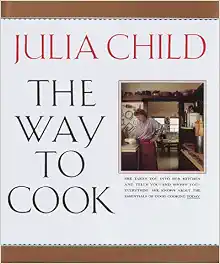
Julia Child introduced Americans to French cooking, and you’ll find
her omelette recipe on this blog, along with other recipes for omelets:
What's your favorite omelet? Leave a comment about it.
YOU CAN STILL ENTER YESTERDAY'S GIVEAWAY!
Scroll down to Around the Kitchen Table and leave a comment there for a chance to win books by Molly MacRae, Cleo Coyle, Maddie Day, Lucy Burdette, and me.
👇
Maya Corrigan writes the Five-Ingredient Mysteries featuring café manger Val and her live-wire grandfather solving murders in a Chesapeake Bay town. Maya lives in a Virginia suburb of Washington, D.C. Before writing crime fiction, she taught American literature, writing, and detective fiction at Northern Virginia Community College and Georgetown University. When not reading and writing, she enjoys theater, travel, trivia, cooking, and crosswords.
Visit her website to sign up for her newsletter. One subscriber wins a book each time a newsletter goes out. Check out the easy recipes, mystery history and trivia, and a free culinary mystery story on the website.


👇